
Start here
How to buy a used boat: 12 steps from first search to closing
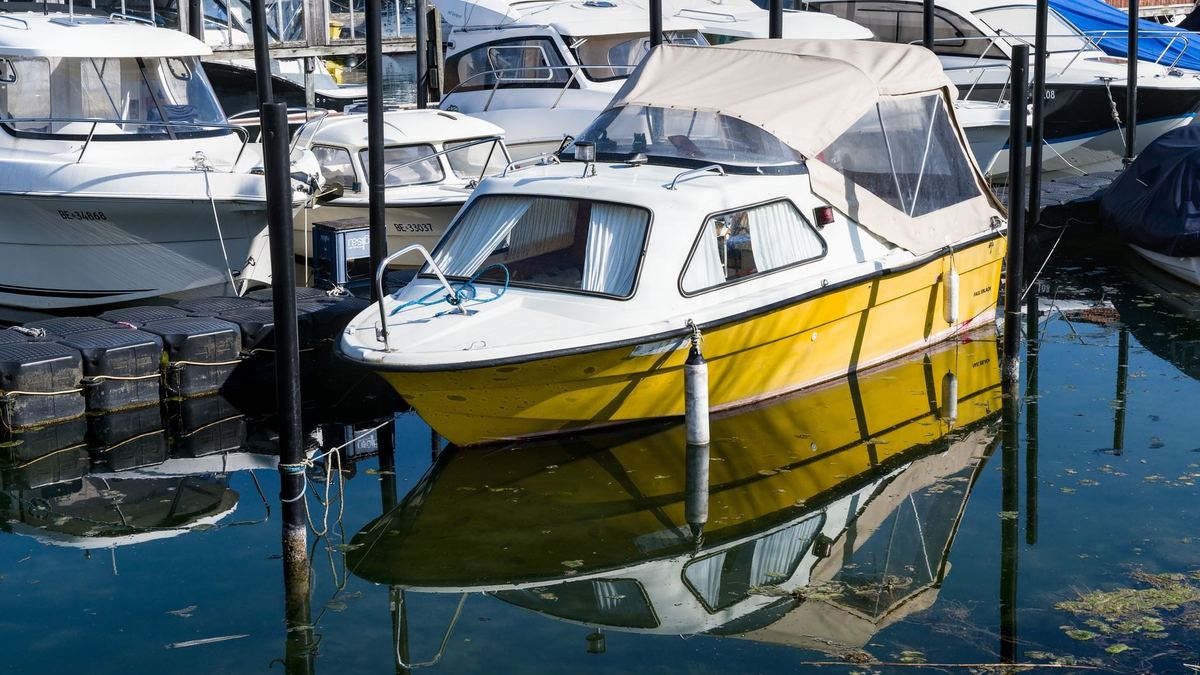
Buying a used boat comes down to twelve steps, in this order:
- Write down how you'll really use the boat.
- Budget for owning it, not just buying it.
- Line up the money, the insurance and a place to keep it.
- Search in more than one place.
- Read every listing critically.
- Phone-screen the seller before you drive.
- Check for scams before any money moves.
- Do your own one-hour walkthrough.
- Make a written offer, subject to survey and sea trial.
- Sea trial the boat under real load.
- Hire your own marine surveyor.
- Renegotiate if needed, then close with a clean title.
The order matters. Most expensive mistakes happen when buyers skip ahead: they fall for a boat before they know what it costs to keep, or they hand over a deposit before anyone has checked the paperwork. This guide walks through each step and links to a detailed guide for each one.
Why so many first boats get sold again
People who buy their first boat leave boating within five years at about a 40 percent rate, according to the marine retailers' own association.1 When Boat Trader asked 3,587 private sellers why they were selling, only 3 percent said they couldn't afford the boat. The biggest group, 39 percent, were moving to a different boat, and others pointed to health, lifestyle changes or a move.2
In other words, most people don't sell because they went broke. They sell because the boat didn't fit the life they actually live. Steps 1 to 3 exist to prevent exactly that.
Step 1: Write down how you'll really use her
Before you open a single listing, write one sentence that describes a normal boating day. For example: "Two of us, sometimes four, on the bay most Saturdays from May to October, a few nights aboard each year, kept at a marina twenty minutes from home."
Every boat you look at has to fit that sentence. It rules out the boats that would disappoint you: too big to handle alone, too far from home, too slow, too thirsty. Our guide to choosing the right type of boat walks through the questions and matches common missions to boat types.
Step 2: Budget for ownership, not the price
The listing price is the one number you pay only once. The slip, insurance, haul-outs, engine service, fuel and repairs come back every year, and over five years they can easily add up to more than the boat cost. That's normal, not a sign of a lemon.
Two rules keep the budget honest:
- Budget by length, location and age, not purchase price. A cheap 30-foot boat in a coastal slip can cost a third to half of her value every year to keep.
- Hold back 10 to 15 percent of the price for the first year's catch-up work on a sound older boat, and more on anything sold "as is."
See what it really costs to own a boat for every line of the annual bill and four sample budgets.
Step 3: Line up money, insurance and a slip
Get a loan pre-approval (or have the cash ready), an insurance quote and a confirmed place to keep the boat before you make an offer. Each one can change whether a particular boat makes sense: lenders and insurers have age and survey rules, and popular marinas can have waiting lists. Our guide to boat loans and insurance covers what to ask.
Step 4: Search in more than one place
The big listing sites carry the most boats, but some of the best-kept boats change hands through owners' associations, yacht clubs and boatyards without ever being listed. Know who you're dealing with: a listing broker works for the seller. See where to buy a used boat.
Step 5: Read every listing like a mechanic
A listing is an ad. Read what it leaves out as carefully as what it says: no engine hours, no engine room photos, "just needs a battery," "ran when parked." Each soft phrase is a question to ask. Our listing reading guide has a phrase decoder and a five-minute listing score.
Step 6: Phone-screen the seller
Ten minutes on the phone saves a wasted Saturday. Ask why they're selling, where the boat has been kept, the engine hours and last service, whether she's ever been sunk or in an insurance claim, whether the title is in their name, and whether you can see a cold start and do a sea trial before any deposit. Here are the questions to ask.
Step 7: Check for scams before any money moves
The classic scam is a beautiful boat priced far below the market, a seller who can't meet you, and an "escrow company" the seller insists on. Reverse-search the photos, talk on a video call, check the hull identification number against the title, and never wire money to someone you haven't met for a boat you haven't seen. See boat buying scams and how to avoid them.
Step 8: Do your own one-hour walkthrough
A professional survey costs real money, so filter first. An hour with a flashlight, a plastic hammer and your nose finds most of the boats that aren't worth surveying: soft decks, wet transoms, milky oil, fuel smells and paperwork that doesn't match. Use our used boat inspection checklist.
Step 9: Make a written offer, subject to survey
Every offer should be in writing, even with a private seller, and subject to a survey and sea trial satisfactory to you, financing and insurance if you need them, and clear title. The deposit goes into escrow you trust and is refundable if any condition isn't met. Our guide to negotiating a boat price shows how to set your number.
Step 10: Sea trial under real load
A sea trial is a test, not a cruise. Write down rpm, speed, temperatures and oil pressure as you climb through the range, check that each engine reaches its rated wide-open rpm, and open the engine room right after the run while everything is hot. See the sea trial checklist.
Step 11: Hire your own surveyor
Never use a surveyor recommended by the seller or the seller's broker. Hire your own, accredited and experienced with your type of boat, and go along for the day. A standard pre-purchase survey is commonly priced at about $20 to $25 per foot, plus the haul-out and any engine or rig surveys.3 Here's what a boat survey costs and what you get.
Step 12: Renegotiate, then close cleanly
Surveys almost always find something. Use written quotes for the safety and recommended items you didn't know about to adjust the price. Then close with a bill of sale, a properly signed title or documentation transfer, and releases for any loans or liens. In the US, some liens can follow a boat to a new owner, so the paperwork matters. See title, bill of sale and liens.
Common questions
How long does it take to buy a used boat?
The search usually takes the longest. Once you've found the boat, an offer, survey, sea trial and closing often take a few weeks, depending on yard schedules, financing and how quickly the paperwork can be checked.
Do I really need a survey on an older or cheaper boat?
On anything with an inboard engine, a cabin or a price that would hurt to lose, yes. Many insurers and lenders require one for older or larger boats anyway. On a small, simple outboard boat, a careful walkthrough plus a mechanic's check of the engine can be enough.
Is it better to buy from a broker, a dealer or a private seller?
Each has trade-offs. Brokers handle paperwork and escrow but work for the seller. Dealers may offer a warranty and financing at a higher price. Private sellers often have the best prices and the most knowledge of the boat, but you handle the paperwork protection yourself.
What's the most common mistake?
Buying the boat for the dream instead of the calendar, and budgeting for the price instead of the ownership. Both are fixed before you shop.
Sources
HullVet guides are written by the HullVet team with AI help, from the research behind The Honest Boat Buyer's Kit, and facts are linked to their sources. They're general education, not a marine survey or legal, tax or financial advice. Rules and prices vary by state and change over time, so check what matters for your boat.