
Sea trial
Boat sea trial checklist: what to test, and the numbers to write down
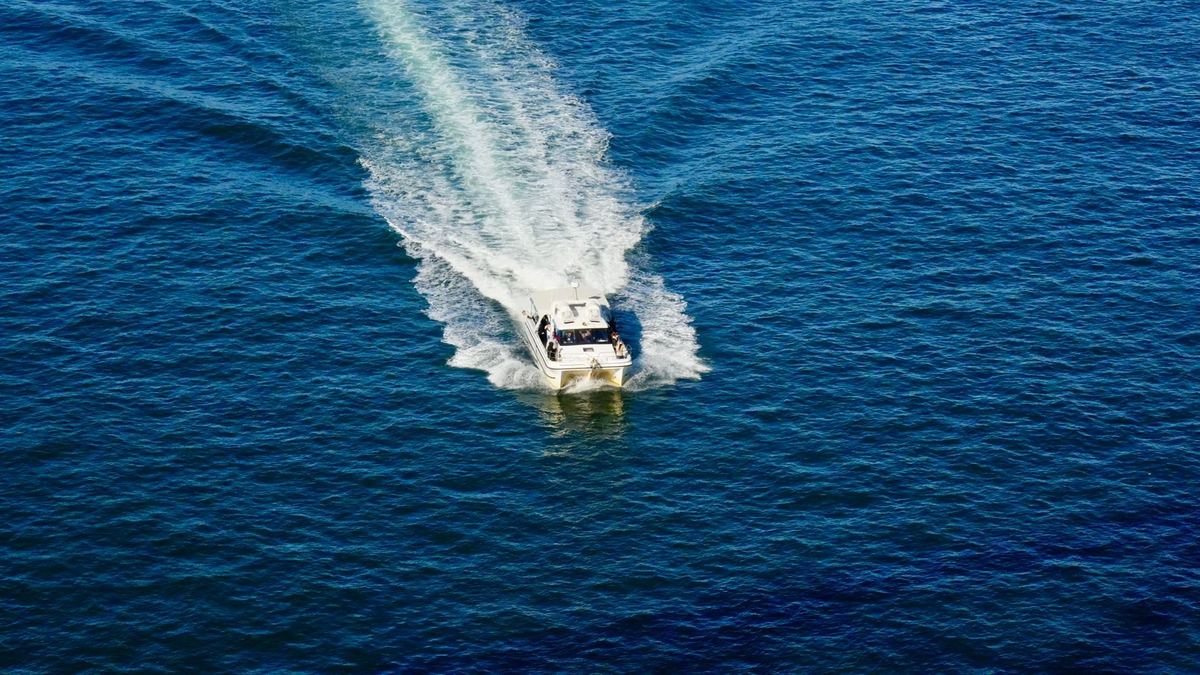
A sea trial is a test drive with a purpose. You're not going for a pleasant cruise: you're testing every system under real load, writing down numbers, and looking for the problems that only show up when the boat works. Overheating, weak engines, vibration and leaks under way usually slip past a dockside look and come out on a good sea trial.
The short version: check the bilge and hours at the dock, climb through the rpm range in steps while recording rpm, speed, temperature, oil pressure and voltage, briefly run each engine to wide-open throttle, then open the engine room the moment you get back.
When and how to sea trial
- In a brokered sale, the sea trial usually happens after your written offer is accepted, subject to sea trial and survey. In a private sale you can often do it before an offer.
- Do it with the survey if you can, so the surveyor is aboard and the haul-out happens the same day. On larger diesel boats, have an engine surveyor aboard too. See boat survey cost.
- The buyer usually pays for the haul-out and surveyor, and sometimes fuel. Agree in writing beforehand.
- Look for some chop. A flat-calm day hides pounding, leaks and handling problems.
- Take the helm yourself at some point. You'll learn how she handles, and whether you like it.
Before you leave the dock
You should already have seen a cold start (see the inspection checklist). Then:
- Check the bilge and note how dry it is. You'll compare after the run.
- Note the engine hours on every engine and the generator.
- Idle in gear for a minute in forward and reverse with the lines secure. Shifting should be smooth, without loud clunks.
- Check the steering lock to lock.
- Load the generator, if there is one: air conditioning, water heater, stove. A generator that runs fine with no load and dies under load is common.
Under way: low speed
- Handling: does she steer well at low speed, or wander?
- Thrusters: test bow and stern thrusters in short bursts.
- Electronics: chartplotter, depth sounder, VHF (do a radio check), radar, and the autopilot holding a course for a minute.
Climbing through the rpm range
Bring the throttle up in steps, say every 500 rpm, and at each step note:
- RPM, speed, engine temperature, oil pressure and battery voltage
- Vibration: a new vibration at a particular speed can mean a bent propeller or shaft, misalignment or a worn cutless bearing
- Noises: transmission whine, exhaust rattles, banging from the hull
Charging voltage while running should be noticeably higher than resting voltage, often around 13.5 to 14.5 volts on a 12-volt system. If it isn't, the alternator or regulator may not be charging.
The wide-open throttle test
With the seller's agreement and in a safe place, briefly run each engine to wide-open throttle (WOT). A healthy engine should reach the rpm range its maker specifies for WOT with a normal load aboard. Write the number down.
| Result | What it can mean |
|---|---|
| Reaches rated rpm | A good sign the engine is healthy and the propeller is right |
| Falls well short | A tired engine, fouled bottom or prop, wrong propeller, too much weight, or fuel and air restrictions |
| Goes well over | A propeller that's too small or damaged, or slip on an outboard or drive |
Watch temperatures and smoke at WOT. Black smoke under heavy load on a diesel can mean too much fuel or too little air. On twin-engine boats, run each engine alone as well as together: one engine that reaches rated rpm while the other doesn't points to a problem with that engine.
If the seller won't allow a short WOT run ("we don't usually run her that hard"), that tells you more than the test would have. A healthy engine is designed to reach that number.
Turns, trim and the hull
- Make some turns at cruising speed. Does anything slide, rattle or creak loudly?
- Trim tabs and drive trim: do they work and make a difference?
- Go through some waves or wakes: listen for cracking or groaning from the hull and bulkheads, and watch for the deck flexing.
On a sailboat, raise every sail, tack and jibe, check the helm balance and watch the rig under load. See the used sailboat checklist.
The hot engine room check
This is one of the most valuable parts of the trial, and excited buyers often skip it. As soon as you're back, with the engines idling and hot, open the engine room and:
- Look for oil, fuel, coolant or water spraying or dripping that wasn't there before
- Smell for hot oil, burning rubber, exhaust leaks or fuel
- Listen for new noises
- Check the shaft seal: a traditional stuffing box should drip a little and be warm, not hot; a dripless seal shouldn't leak
- Look for black dust from slipping belts
- Check the bilge again: more water than before the run means a leak under way
After shutdown, check the oil level and the dipstick on a white rag again.
The numbers to write down
| What | At idle | At cruise | At wide open |
|---|---|---|---|
| RPM (each engine) | |||
| Speed | |||
| Engine temperature | |||
| Oil pressure | |||
| Battery voltage | |||
| Smoke color | |||
| Vibration or noise |
These numbers become part of your negotiation. An engine that won't reach rated rpm or runs hot is a problem with a cost, and your offer should reflect it. See how to negotiate a boat price.
Walk away, or renegotiate hard, if
- An engine overheats, or the temperature keeps climbing at cruise
- An engine falls far short of its rated WOT rpm and nobody can say why
- Oil pressure drops or the alarm sounds
- Steering, shifting or throttle controls stick or fail under way
- The bilge fills noticeably during a short run
- The seller won't allow a load test of the engines or generator
Common questions
How long should a boat sea trial be?
Long enough to warm everything fully, climb through the rpm range, do a short WOT run on each engine, test the systems and check the hot engine room. For most recreational boats that's about an hour on the water, sometimes more for large boats.
Who pays for the sea trial?
Usually the buyer pays for the haul-out and surveyor, and sometimes fuel and a captain. Put it in writing before the day.
Can I sea trial a boat in winter?
It's harder. Cold water and short days limit testing, and some boats are already winterized. If you buy in the off-season, consider making the purchase conditional on a sea trial when the boat can be launched.
HullVet guides are written by the HullVet team with AI help, from the research behind The Honest Boat Buyer's Kit, and facts are linked to their sources. They're general education, not a marine survey or legal, tax or financial advice. Rules and prices vary by state and change over time, so check what matters for your boat.