
Surveys
How much does a boat survey cost, and what do you get?
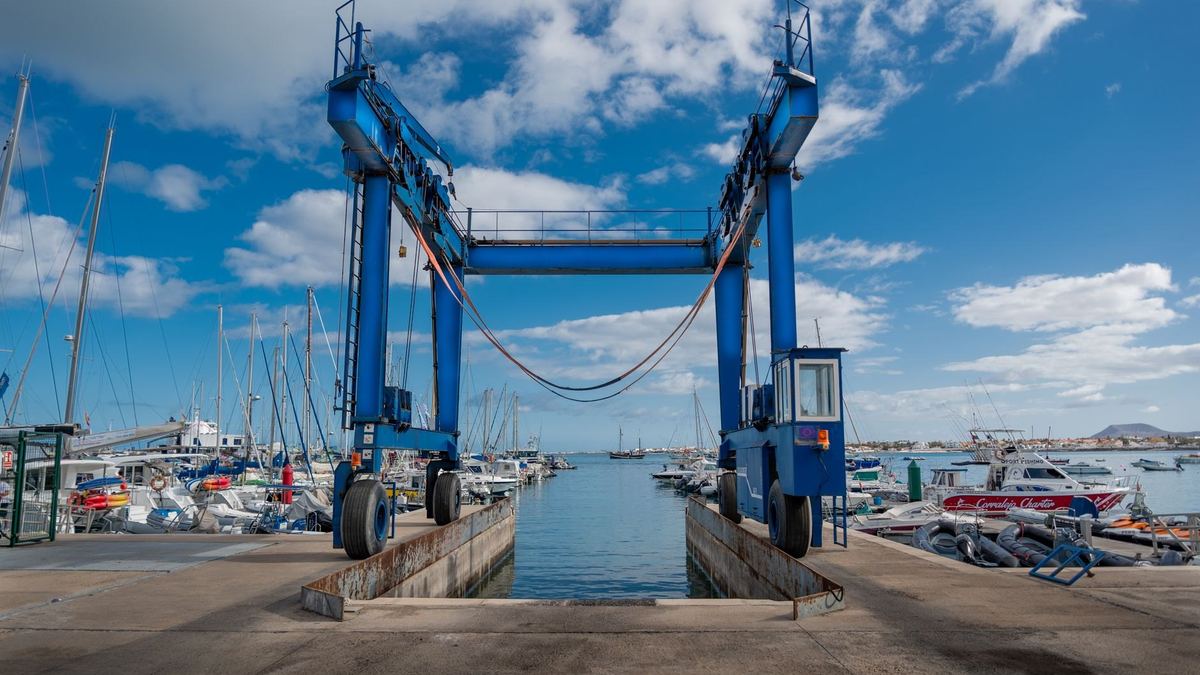
A standard pre-purchase marine survey usually costs about $20 to $25 per foot of boat length,1 and some surveyors charge more for larger, older or more complex boats. One published rate sheet, for example, starts at roughly $25 to $32 per foot for boats up to 50 feet.2 On top of the surveyor's fee you'll usually pay for the haul-out, and possibly an engine survey, oil analysis, a rig inspection and the surveyor's travel.
For a 34-foot boat, that can add up to roughly $1,500 to $3,000 all in. On a $60,000 boat, that's under 5 percent of the price to find out whether you're buying a boat or a $60,000 problem.
What adds to the bill
| Item | What it is | Typical cost driver |
|---|---|---|
| Surveyor's fee | The condition and valuation survey | Per foot; more for big or complex boats |
| Haul-out | The yard lifts the boat so the bottom can be inspected | Yard rates, usually by length |
| Engine survey | A separate engine specialist, readings during the sea trial | Number and size of engines |
| Oil analysis | A lab tests an oil sample for wear metals, coolant and fuel | Per sample (one popular lab has charged around $35)3 |
| Rig inspection | A rigger goes up a sailboat's mast | Boat size and rig type |
| Travel | The surveyor's time and mileage to a distant boat | Distance |
| Sea trial fuel and captain | If not included by the seller | Engine size and run time |
In most sales, the buyer pays for the survey and haul-out. Agree on that in writing before the day.
The four kinds of survey
- Pre-purchase survey (condition and valuation). The full inspection you want before buying: structure, systems, safety, and an opinion of the boat's market value.
- Insurance survey. A narrower inspection focused on safety and insurability. It's not enough for buying.
- Engine survey. Most hull surveyors look at engines only in a general way and say so in the report. On any boat with diesels worth more than a few thousand dollars, an engine survey is worth it.
- Rig survey. Most hull surveyors don't go aloft. On a sailboat whose rigging age is unknown, a rigger's inspection costs a few hundred dollars and can save you a rig.
How to hire your own surveyor
Never hire a surveyor recommended by the seller or the seller's broker. Even an honest surveyor who gets regular referrals from a broker has a reason not to kill that broker's deals.
Look for:
- Credentials. The two main US organizations are the National Association of Marine Surveyors (NAMS) and the Society of Accredited Marine Surveyors (SAMS). Both have membership standards and online directories.45
- Knowledge of current standards. Many surveyors are trained in the American Boat & Yacht Council (ABYC) standards for boat systems.6
- Experience with your type of boat: power or sail, fiberglass, wood, steel or aluminum.
- Acceptance by your lender and insurer. Ask them before you hire.
- A sample report with clear findings, photos and specific recommendations.
- Independence from brokers, dealers and yards that would profit from repairs.
Questions to ask before you hire
- How long have you been surveying, and what credentials do you hold?
- How many boats like this one have you surveyed?
- What will you inspect, and what won't you? Engines? Rig? Inside tanks?
- Do you use a moisture meter and a percussion hammer? Will the boat be hauled?
- Can I be there the whole time?
- Will my insurer and lender accept your report?
- When will I get the written report, and what extra costs should I expect?
A quote that's far below everyone else's is worth asking about.
Do you need a survey for insurance or a loan?
Often, yes. Lenders usually lend against the surveyor's market value, not the price you agreed. Insurers commonly require a survey on older or larger boats. One major insurance program, for example, requires a survey for boats over 20 years old and 30 feet or longer, or worth $50,000 or more, and asks for a fresh survey every five years at renewal.7 Ask both before you choose a surveyor.
Be there on survey day
Go to the survey, all of it if you can. You'll learn more about the boat in those hours than in all your other visits combined, and surveyors often say things out loud ("normal for her age," "I'd fix that before summer") that read much scarier or milder in the formal report. Bring your own inspection checklist notes and ask the surveyor to look closely at anything that worried you. Ideally the survey, haul-out and sea trial happen the same day.
What a survey can't see
A survey is visual and non-destructive. Surveyors don't take the boat apart, so some things are always limited:
- The inside of fuel and water tanks, and tanks hidden by structure
- The inside of engines and transmissions, beyond readings and oil analysis
- Wiring and plumbing behind fixed panels
- Deck and hull core, which can only be estimated with a meter and a hammer
- Faults that come and go
A good report says what wasn't accessible. Read that section as carefully as the findings.
How to read the survey report
Most reports end with findings and recommendations, often sorted by priority. The wording varies, but findings usually fall into three groups:
| Category | What it means | What you do |
|---|---|---|
| Safety and urgent | Unsafe, illegal or likely to cause serious damage soon | Must be fixed before use; often required by insurers |
| Recommended repairs | Wear and defects to fix in the near future | Get quotes; use them in renegotiation |
| Maintenance and observations | Normal wear, cosmetic items, upgrades | Your to-do list; rarely a negotiating point |
Don't panic at the length. A survey of an older boat can run thirty pages with fifty findings, and that's normal. What matters is how many items are in the first two groups and what they'll cost. Get written quotes for the big ones, then renegotiate.
The report also gives a fair market value, which your insurer and lender will use, and sometimes a replacement value, which is roughly what a comparable new boat would cost, not a selling price.
When the survey kills the deal
If your offer was properly subject to survey, you can walk away and get your deposit back, usually minus costs you agreed to, like the haul-out. It hurts, but the survey fee is the cheapest money you'll spend in boating.
Common questions
Who pays for a boat survey, the buyer or the seller?
The buyer, in almost every sale. The buyer also usually pays for the haul-out. Agree in writing on who pays for fuel and the captain during the sea trial.
Can I use the seller's old survey?
Read it, note its date, and ask what was fixed. But get your own. An old survey was done for someone else, on a boat that has aged since, by a surveyor who doesn't work for you.
How long does a boat survey take?
For a typical recreational boat, most of a day including the haul-out and sea trial. Larger boats and separate engine surveys take longer. Ask the surveyor when you'll get the written report.
Is a survey worth it on a cheap boat?
On anything with inboard engines, a cabin or a price that would hurt to lose, yes. On a small, simple outboard boat, a careful walkthrough and a mechanic's engine check can be enough.
Sources
- BetterBoat: Boat survey costs, a 2026 guide
- Wilson Yacht Survey: Rates
- Trawler Forum: Engine oil analysis typical cost
- National Association of Marine Surveyors (NAMS)
- Society of Accredited Marine Surveyors (SAMS)
- American Boat & Yacht Council (ABYC)
- Gallagher Skippers' Plan: survey and photo requirements
HullVet guides are written by the HullVet team with AI help, from the research behind The Honest Boat Buyer's Kit, and facts are linked to their sources. They're general education, not a marine survey or legal, tax or financial advice. Rules and prices vary by state and change over time, so check what matters for your boat.