
Engines
Buying a used outboard motor: what to check on four-strokes and two-strokes
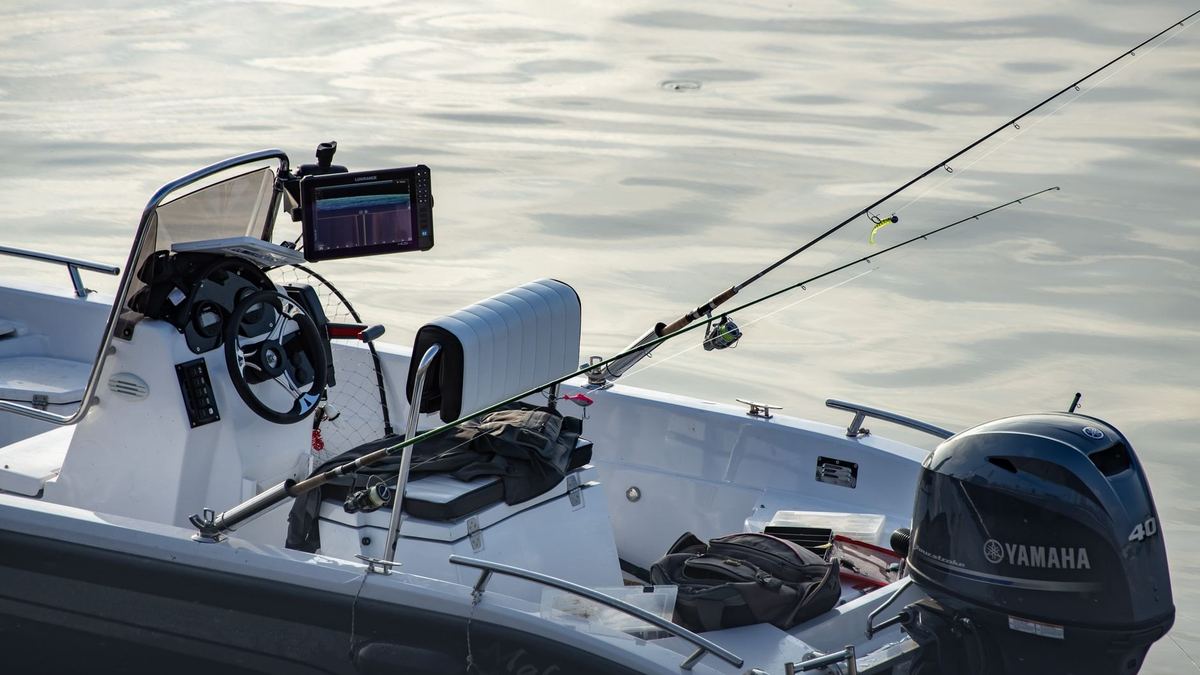
On most small boats, the outboard is the most valuable part of the package, and the easiest part to check. With a compression gauge, a rag for the gear oil and half an hour, you'll know most of what you need. A well-serviced four-stroke with 1,200 hours is a better buy than an ignored one with 300.
Outboards are commonly expected to last about 1,500 to 3,000 or more hours, depending heavily on care, and about 100 hours a year is treated as average use.1
The used outboard checklist
1. Service records
Compare the records with the maker's schedule. Yamaha, for example, calls for a first service at 20 hours, then engine oil and filter, gearcase lube, spark plugs, water pump and trim-and-tilt fluid every 100 hours or yearly, with the fuel-water separating filter every 50 hours.2 An engine whose records match its schedule has probably been looked after.
2. Compression
Run a compression test on every cylinder. All cylinders should be within about 10 percent of each other, and a very low or zero reading in any cylinder means internal damage is highly likely.34 A gauge costs little at an auto parts store.
3. Gearcase oil
Pull the lower unit's drain screw and look at the oil. Milky gear oil usually means water is getting past the seals.5 Metal flakes are also a bad sign.
4. Cold start, idle and the telltale
Arrive to a cold engine. It should start easily, settle into a steady idle, and pee a steady stream of water from the telltale.
5. Trim and tilt
The engine should trim and tilt smoothly and hold itself up without creeping down.5
6. Salt corrosion
Look under the cowling and at the lower unit for corrosion. Saltwater use shortens drivetrain life,1 so ask whether the engine was flushed after every saltwater trip.
7. The engine computer
On modern electronic outboards, a dealer can read the stored hours, fault codes and overheat alarms. It's a cheap way to check the hour meter and the engine's history.
8. Serial numbers
Outboards are stolen far more often than whole boats. Check for scratched or altered serial numbers and missing stickers, and make sure the numbers match the paperwork. Many police marine units will run a serial number through the national crime database for a serious buyer.6
9. The mounting and transom
With the engine tilted down, push and pull firmly on the lower unit while watching the transom for flex or cracks around the bolts.
Two-strokes and direct injection
Before the 2000s most outboards were carbureted two-strokes. EPA's first outboard emissions standard started in 1998 and phased in through 2006, pushing the industry toward four-strokes and direct-injection two-strokes.7 Direct-injection engines such as Evinrude's E-TEC and Mercury's Optimax are still common on used boats.
Extra checks for two-strokes:
- Oil injection: on oil-injected engines, make sure the oil pump and warning system work. A failed oil supply can destroy a two-stroke.
- Fuel and ethanol: old fuel and E10 phase separation cause many problems, and once phase separation happens, stabilizers won't reverse it.8
- Local support for that exact brand and model.
The Evinrude question
BRP stopped building Evinrude outboards in May 2020 and said it would keep supplying service parts and honor its limited warranties.9 Many E-TECs still run well. Before you buy one, call a local shop and ask whether they service that model and can get parts.
Questions to ask the seller
- How many hours, and can I see the service records?
- Has it been used in salt water? Was it flushed after use?
- Has the water pump been replaced, and when?
- Can I run a compression test and pull the gearcase oil?
- Who services it, and can I call them?
Common questions
How many hours is too many on a used outboard?
It depends on care. About 100 hours a year is average use, and 1,500 hours or more is often where closer scrutiny starts.1 Records and compression matter more than the number. See boat engine hours.
What compression should a used outboard have?
Check the maker's specification for your model. As a rule of thumb, all cylinders should be within about 10 percent of each other, and a very low or zero cylinder means internal damage is likely.
Is it worth buying an old two-stroke outboard?
On a small boat, a light, simple two-stroke can be a good engine if it checks out and someone nearby can fix it. Ask about local support and parts before you ask the price.
Sources
- RecNation: What are engine hours on a boat?
- Yamaha Outboards: Maintenance matters
- Yachting: How to check outboard motor compression
- Master Marine Surveyor (Rob Scanlan): Compression testing
- The Captain: 7 tips for buying a used outboard
- Boat Alert: How to check if a boat motor is stolen
- Soundings: Emission rules shaping outboard technology
- Hawaii DLNR Division of Boating: E-10 gasoline and your marine engine
- Boating Industry: BRP exits outboard motor business (28 May 2020)
HullVet guides are written by the HullVet team with AI help, from the research behind The Honest Boat Buyer's Kit, and facts are linked to their sources. They're general education, not a marine survey or legal, tax or financial advice. Rules and prices vary by state and change over time, so check what matters for your boat.