
Engine guide · Sailboats
Buying a sailboat with an Atomic 4: fuel safety, cooling and what to check
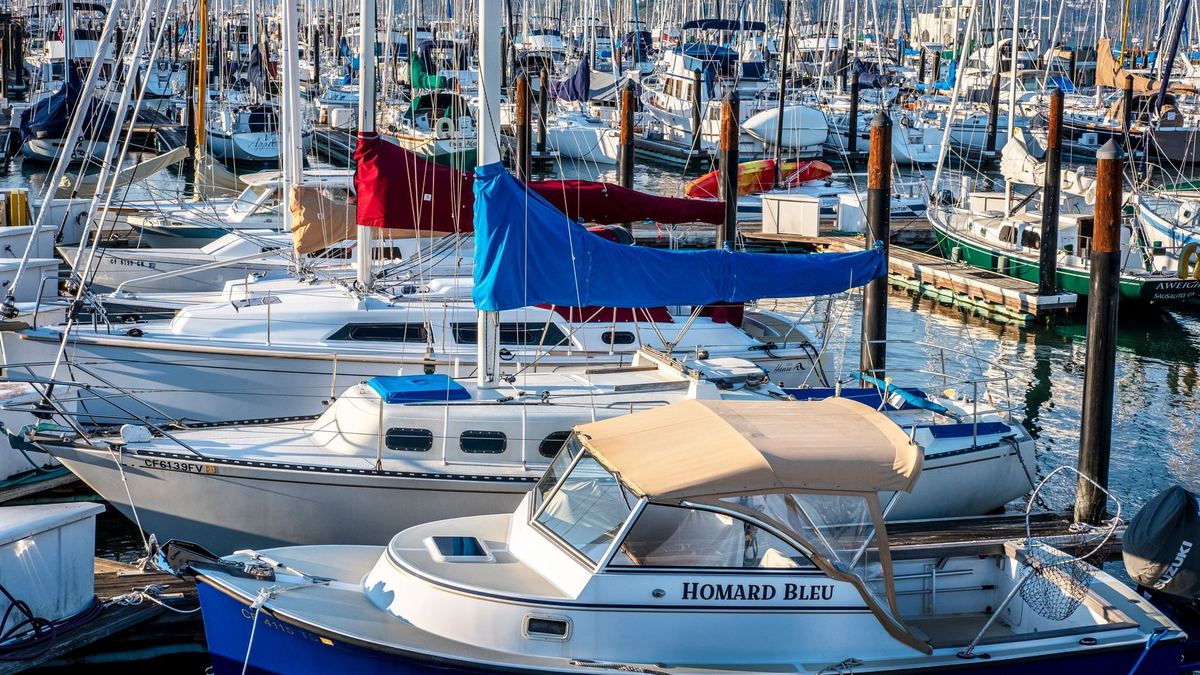
The Universal Atomic 4 is a small four-cylinder gasoline inboard that powered many sailboats from the 1950s into the 1980s, including early Catalina 30s and many Pearsons. It's smooth, quiet and simple, with a loyal following, and plenty of sailors run one happily and wouldn't change. Buyer's guides note a history of carburetor problems, ethanol fuel compatibility issues and raw-water cooling corrosion.1
If you buy one, treat the fuel system with the same respect you'd give a gas powerboat: ventilation, sniff test, blower, every time.
Atomic 4 at a glance
| Type | Small four-cylinder gasoline inboard |
| Found in | Early Catalina 30s, Pearsons and many other older sailboats |
| Main concerns | Fuel safety, carburetor, ethanol, raw-water cooling corrosion |
| Following | Loyal and well supported |
Is an Atomic 4 right for you?
A good fit if you like a simple, smooth, quiet engine, the fuel system and ventilation are in good shape, and the cooling system and carburetor have been sorted.
Think twice if you're nervous about gasoline aboard, the raw-water-cooled block has never been flushed or inspected, or the fuel tank and lines are original.
What to check
1. Fuel safety first
Gasoline fumes are heavier than air and collect in the bilge. Smell for gasoline before anything else. Check the tank, the fill and vent hoses and the fuel lines, and make sure there's a working bilge blower. Any strong gasoline smell is a reason to stop and find the cause before starting the engine.
2. Ignition protection
Electrical parts in a gasoline engine space on inboard boats must be ignition protected by federal rule, built so they can't ignite a fuel-air mixture.23 Replacement parts such as starters, alternators and switches must be marine, ignition-protected parts, not automotive ones. Ask what's been replaced and with what.
3. Ethanol
Fuel lines and tanks need to be compatible with E10 gasoline. Once phase separation happens in ethanol fuel, stabilizers won't reverse it.4 E15 isn't meant for boats.
4. Raw-water cooling corrosion
Many Atomic 4s are raw-water cooled, so seawater runs through the block and exhaust. Ask whether the block has been flushed or inspected, look at the exhaust for corrosion, and watch the temperature on the sea trial.
5. Carburetor, starting and idle
The engine should start reasonably easily, idle smoothly and pick up cleanly. Hard starting and rough idling often point to carburetor or fuel problems.
Questions to ask the seller
- How old are the fuel tank and fuel lines? Are they rated for ethanol fuel?
- Does the blower work, and do you run it before every start?
- Is it raw-water or freshwater cooled? Has the block been flushed?
- When was the carburetor last rebuilt?
- Have any electrical parts been replaced, and with marine parts?
Repower or keep?
Some owners keep their Atomic 4 for decades; others repower with a small diesel. If you'd repower, price it into your offer from the start. A repower on an older sailboat is a large share of the boat's value. See boat engine hours and our Catalina 30 guide.
Common questions
Is the Atomic 4 a good engine?
It's simple, smooth and quiet, with a loyal following and good support. Its main concerns are gasoline safety, ethanol fuel and raw-water cooling corrosion.
Is gasoline on a sailboat dangerous?
Gasoline fumes collect in the bilge and can explode, which is why ventilation, a working blower, ignition-protected parts and a sniff test before every start matter.
Should I replace an Atomic 4 with a diesel?
Only if it makes sense for your budget and plans. Many Atomic 4s run well for years. If you plan to repower, price it into your offer.
Sources
HullVet guides are written by the HullVet team with AI help, from the research behind The Honest Boat Buyer's Kit, and facts are linked to their sources. They're general education, not a marine survey or legal, tax or financial advice. Rules and prices vary by state and change over time, so check what matters for your boat.